

 Post by
 1. Definition & Core Material Traits
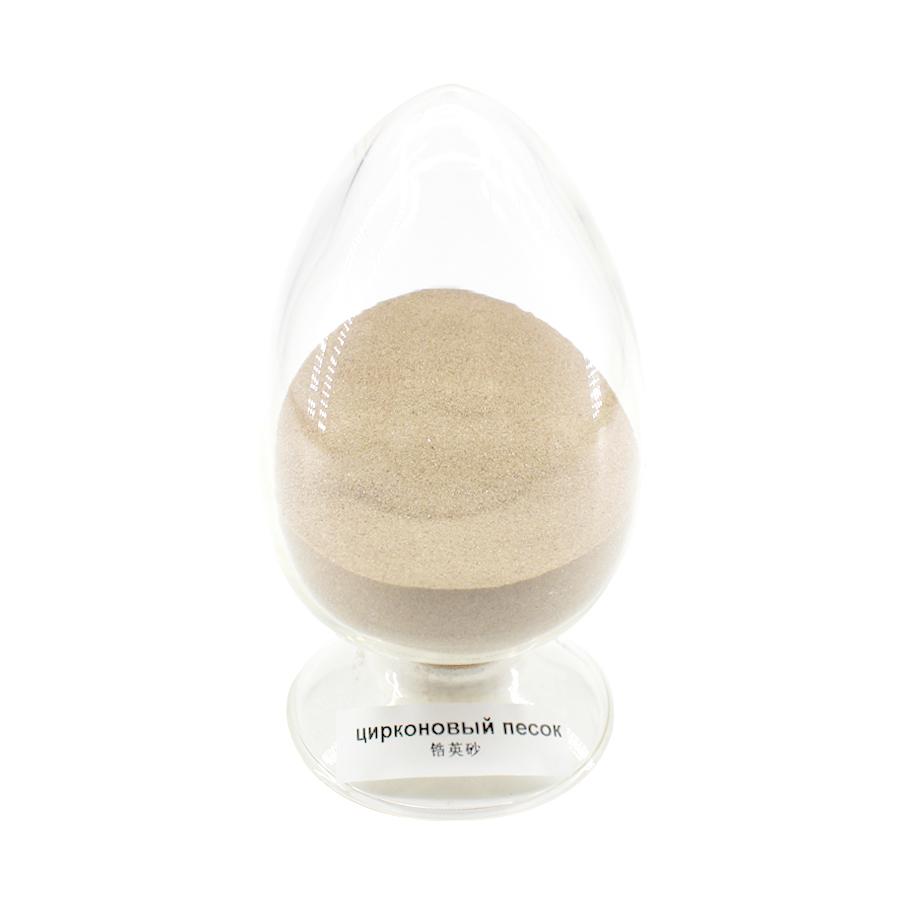
Zircon sand (also known as zircon) is a naturally occurring mineral composed primarily of zirconium silicate (ZrSiO₄), while zirconium silicate powder is the refined, milled form of zircon sand. Belonging to the tetragonal crystal system, zircon sand/powder boasts inherent high purity, with ZrO₂ content typically ranging from 60–66%, alongside trace impurities like hafnium oxide (HfO₂). Unlike other zirconium-bearing minerals, it combines exceptional thermal stability, chemical inertness, and mechanical hardness, making it a versatile raw material for both high-temperature industrial processes and precision material manufacturing. The transition from sand to powder expands its application scope, enabling seamless integration with various matrices.
2. Geological Origin & Global Distribution
Zircon sand forms primarily in igneous rocks (such as granite and pegmatite) through magmatic crystallization, often coexisting with minerals like rutile, ilmenite, and monazite. Most exploitable zircon sand deposits are placer deposits, formed by the erosion, transportation, and sedimentation of primary zircon-bearing rocks—its high density (4.6–4.7 g/cm³) allows it to accumulate in coastal sands, riverbeds, and alluvial deposits. Globally, major producers include Australia, South Africa, Brazil, India, and Indonesia. Australia’s east coast and South Africa’s coastal regions are renowned for large-scale, high-grade zircon sand placer deposits, accounting for over 70% of global supply.
3. Physical & Chemical Properties
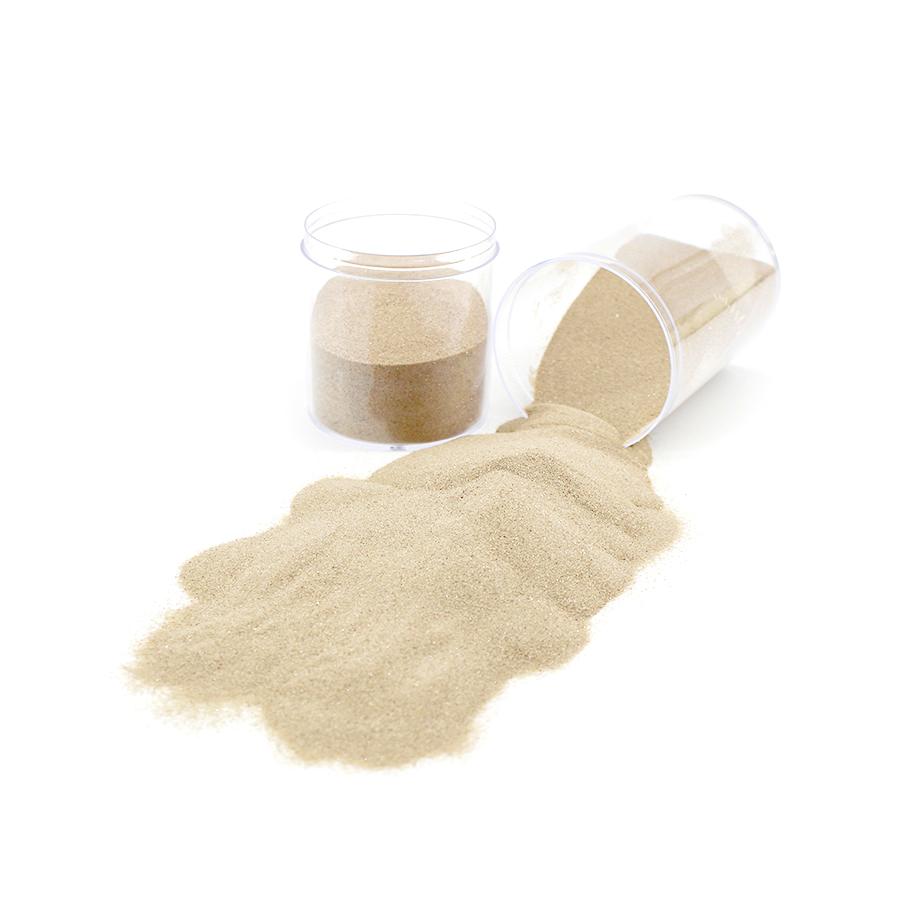
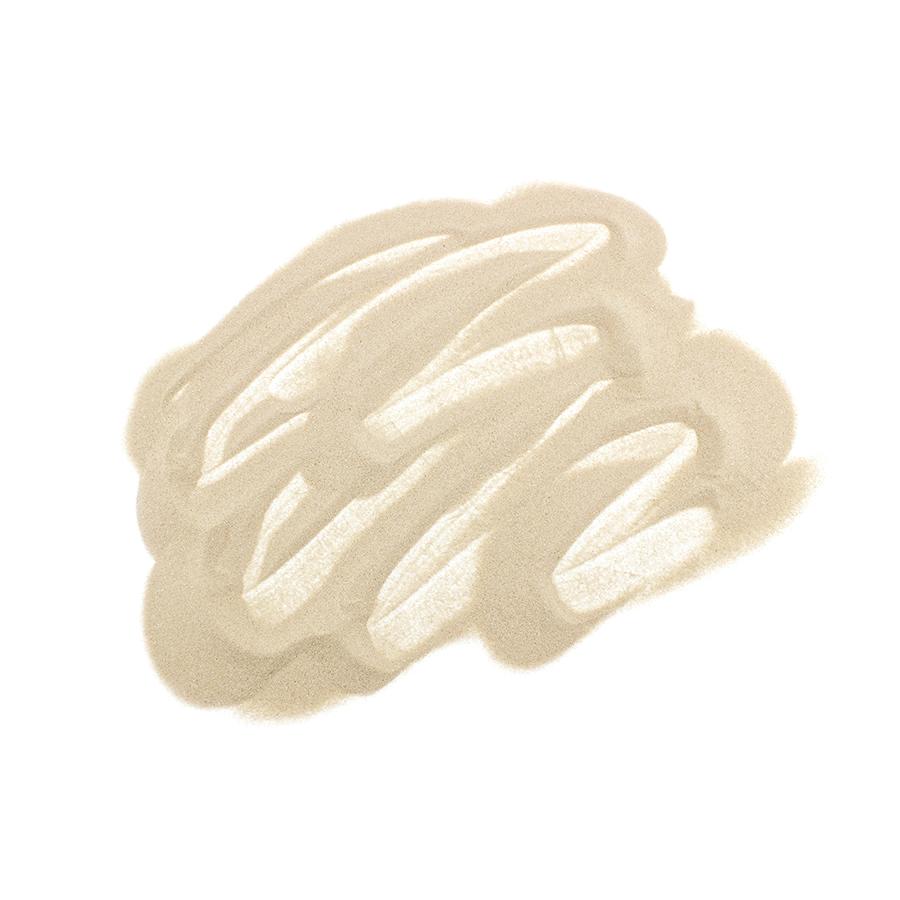
Zircon sand (powder) and zirconium silicate exhibit outstanding physicochemical properties tailored for harsh industrial environments. Physically, zircon sand appears as colorless, pale yellow, or brownish crystals with a vitreous to adamantine luster, a Mohs hardness of 7.5, and high wear resistance. Zirconium silicate powder retains these traits while featuring adjustable particle size, large specific surface area, and good dispersibility. Chemically, it is highly stable, resistant to corrosion by most acids and alkalis, and maintains structural integrity at extreme temperatures. It also exhibits low thermal expansion and excellent insulation performance.
4. Grade Classification & Technical Specifications
Zircon sand (powder) and zirconium silicate are classified based on particle size, purity (ZrO₂ content), and application scenarios, with standardized specifications to meet diverse downstream needs. Four mainstream grades are widely adopted:
- High-Purity Zirconium Silicate Powder (ZrO₂ ≥66%): Particle size 0.1–5 μm, low HfO₂ (≤1%), for electronic ceramics, optical coatings, and precision casting.
- Industrial-Grade Zircon Powder (ZrO₂ 64–65%): Particle size 5–50 μm, used in ceramic glazes, refractory materials, and abrasive additives.
- Zircon Sand Concentrate (ZrO₂ ≥65%): Coarse particle size (50–200 μm), for foundry sand, zirconium metal smelting, and titanium alloy production.
- Low-Iron Zircon Grade (Fe₂O₃ ≤0.1%): Customized for high-end coatings and food-contact ceramic materials, ensuring no discoloration.
Customized milling and purification services are available to match specific production line requirements.
5. Key Industrial Applications
The dual and superior performance of zircon sand/zirconium silicate make it indispensable across multiple high-value industries:
- Foundry & Refractories: Zircon sand serves as a premium mold material for precision casting (e.g., aerospace components), while zirconium silicate enhances the thermal shock resistance of furnace linings and kiln furniture.
- Ceramics & Glazes: Zirconium silicate powder acts as an opacifier and whitening agent in ceramic glazes, delivering bright color, high gloss, and scratch resistance for sanitary ware and decorative ceramics.
- Advanced Materials: Used in electronic ceramics (capacitors, resistors), photovoltaic cell coatings, and catalyst supports, leveraging its chemical stability and insulation.
- Zirconium Metal Production: High-purity zircon sand is processed to extract zirconium and hafnium, critical for nuclear reactors, aerospace alloys, and medical devices.
6. Performance Advantages & Sustainable Value
Zircon sand (powder) and zirconium silicate outperform alternatives with four core strengths: extreme thermal stability, superior chemical inertness, high hardness, and versatile form factor (sand/powder). Compared to synthetic zirconium compounds, it offers cost advantages and abundant natural reserves. Aligned with green industrial trends, modern processing adopts energy-saving milling technologies and water recycling systems, minimizing waste and emissions. As demand grows for high-temperature-resistant and precision materials in renewable energy and advanced manufacturing, zircon sand/zirconium silicate plays a pivotal role in securing supply chains, embodying the value of natural mineral materials for sustainable industrial performance.