
 Post by
 1. Definition & Synthetic Significance
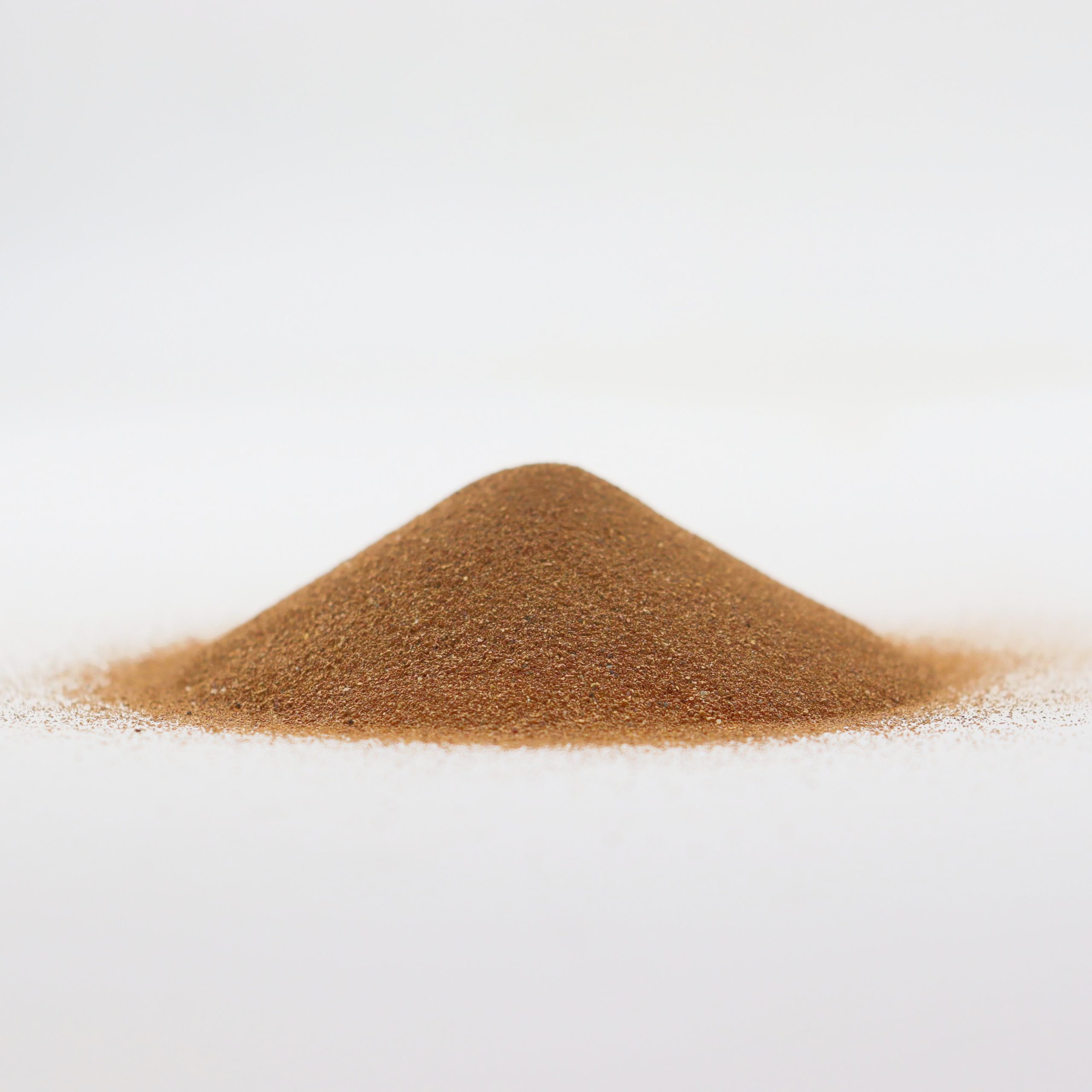
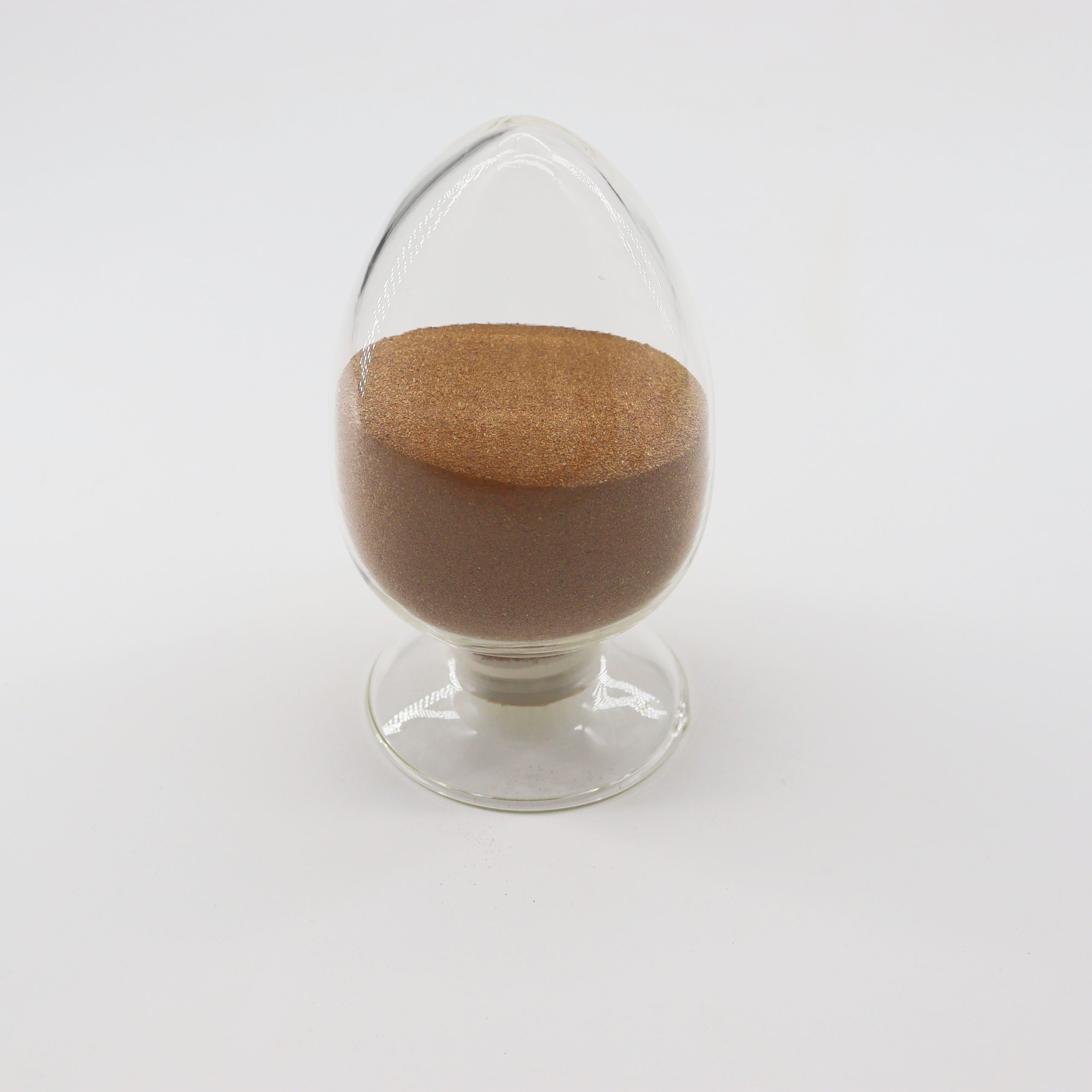
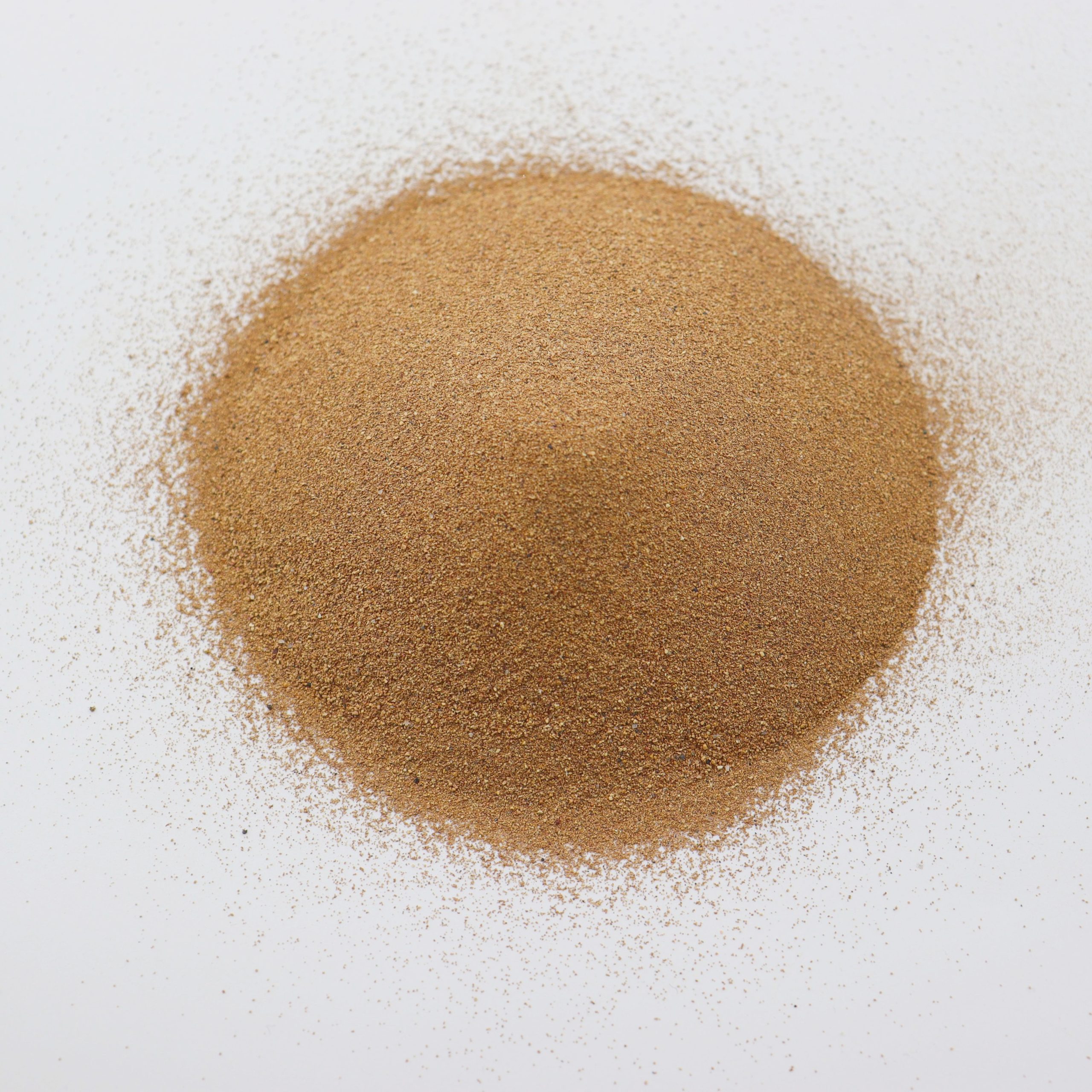
Synthetic rutile is a high-purity engineered mineral primarily composed of titanium dioxide (TiO₂), artificially synthesized from titanium-rich ores—most commonly ilmenite—through integrated chemical and thermal processing. Distinct from naturally mined rutile and thermally modified calcined rutile, synthetic rutile is engineered for precise TiO₂ purity and homogeneous composition, effectively overcoming the inherent variability of natural minerals. As a crucial alternative to high-grade natural rutile, it addresses the scarcity of premium natural deposits while delivering consistent, reliable performance for high-value industrial scenarios, particularly in titanium metal smelting and titanium dioxide pigment production.
2. Core Synthesis Processes & Control
Synthetic rutile production relies on mature chemical beneficiation technologies, with the Becher process and hydrochloric acid leaching process being the most prevalent globally for large-scale manufacturing. Taking the Becher process as a typical example, the workflow comprises four core stages: first, ilmenite is subjected to high-temperature reduction to convert iron oxides into metallic iron; second, the reduced ore undergoes oxidation to form hematite (iron oxide); third, magnetic separation or leaching is employed to remove iron oxides; finally, the residual material is calcined to induce crystallization into synthetic rutile. Strict control over temperature, pH value, and reaction duration throughout the process ensures target TiO₂ purity, minimizes impurity residues, and complies with international industrial material standards.
3. Physicochemical Traits & Performance Advantages
Synthetic rutile possesses tailored physicochemical properties that outperform natural rutile in uniformity and controllability—key advantages for industrial applications. Chemically, its TiO₂ content can be precisely regulated between 90–94%, with ultra-low impurity levels and robust chemical inertness, enabling resistance to corrosion by most acids and alkalis even at elevated temperatures. Physically, it features a homogeneous crystalline structure, a Mohs hardness of 6.5–7.0, and a bulk density of 4.2–4.4 g/cm³. Unlike natural and calcined rutile, it is free from regional compositional variations, guaranteeing consistent performance in large-scale continuous production.
4. Does it match my business workflows?
Synthetic rutile is categorized into grades based on TiO₂ purity, particle size, and targeted industrial applications, with standardized technical specifications to cater to diverse downstream requirements. Two mainstream grades dominate global procurement markets:
- Premium Grade (TiO₂ ≥97%): Ultra-high purity with minimal impurities, fine particle size (150–325 mesh), suitable for titanium alloy smelting, high-end TiO₂ pigments, and optical coating materials.
- Industrial Grade (TiO₂ 94–96%): Cost-optimized with adjustable particle size (50–200 mesh), widely applied in welding electrodes, refractory materials, and general-purpose titanium dioxide production.
Customized particle size distribution and purity tuning services are also available to align with specific production line parameters of downstream manufacturers.
5.Key Industrial Applications
Benefiting from its controllable quality and high TiO₂ content, synthetic rutile has become an indispensable raw material in core industrial sectors, both complementing and substituting natural rutile across multiple scenarios:
- Titanium Metal Production: The primary feedstock for titanium sponge smelting, enabling the production of high-strength titanium alloys used in aerospace, automotive, and medical devices.
- TiO₂ Pigments: Delivers bright whiteness and excellent opacity for decorative paints, plastics, and paper coatings, replacing natural rutile in large-scale pigment manufacturing.
- Welding & Refractories: Acts as a flux component in welding electrodes to stabilize arcs, and as an additive in refractory linings to enhance thermal shock resistance.
- Advanced Ceramics: Used as a reinforcing phase in technical ceramics, improving hardness, wear resistance, and high-temperature stability.
6. Competitive Advantages & Market Value
Synthetic rutile holds three core competitive edges over natural and calcined rutile: stable supply, uniform quality, and flexible cost structure. In line with sustainable industrial development trends, modern synthesis processes adopt circular economy principles, recycling by-products such as iron oxides and minimizing waste emissions. As demand for titanium-based materials surges in renewable energy and advanced manufacturing, synthetic rutile plays a pivotal role in securing supply chain stability, embodying the value of engineered minerals for sustainable industrial performance.