 Post by
 1. Definition & Core Characteristics
Natural rutile is a naturally occurring mineral composed primarily of titanium dioxide (TiO₂), belonging to the tetragonal crystal system. It is one of the most important natural sources of titanium, distinguished by its high TiO₂ content—typically ranging from 90% to 98% in high-quality deposits—surpassing other titanium-bearing minerals like ilmenite and leucoxene. Unlike synthetic rutile, which is produced artificially from titanium-rich ores, natural rutile forms through geological processes, retaining unique crystalline structures and physical properties that make it valuable in specialized industrial applications. Its inherent purity and stability set it apart as a premium raw material in high-performance sectors.
2. Geological Origin & Global Distribution
Natural rutile forms under specific geological conditions, predominantly in metamorphic rocks and occasionally in igneous rocks and placer deposits. Metamorphic formation occurs when titanium-bearing sediments or rocks undergo high temperature and pressure, prompting the crystallization of rutile. Placer deposits, a major source of exploitable natural rutile, are formed by the erosion and transportation of primary rutile-bearing rocks, with the mineral accumulating in riverbeds, coastal sands, or alluvial deposits due to its high density. Globally, key producers include Australia, Mozambique, and Sierra Leone.
3. Physical & Chemical Properties
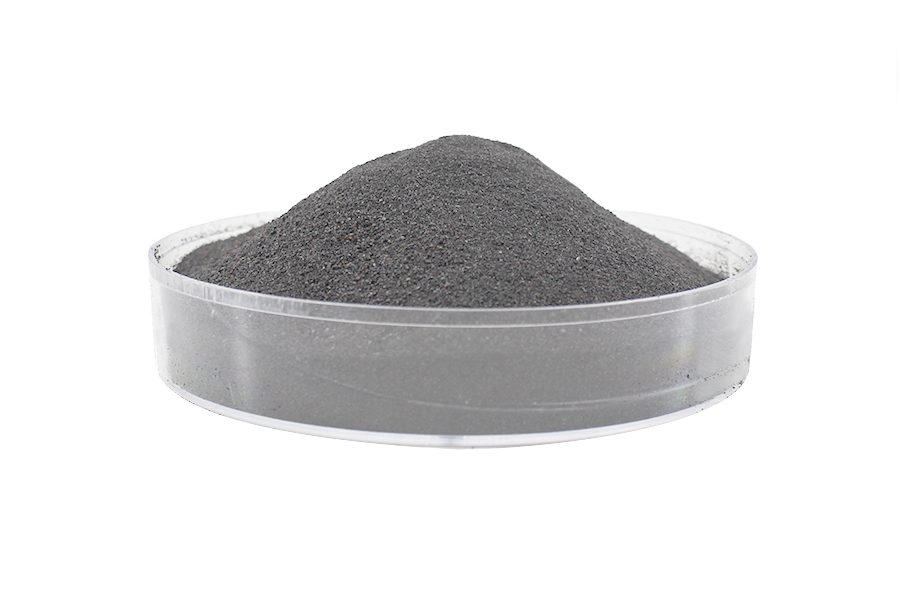
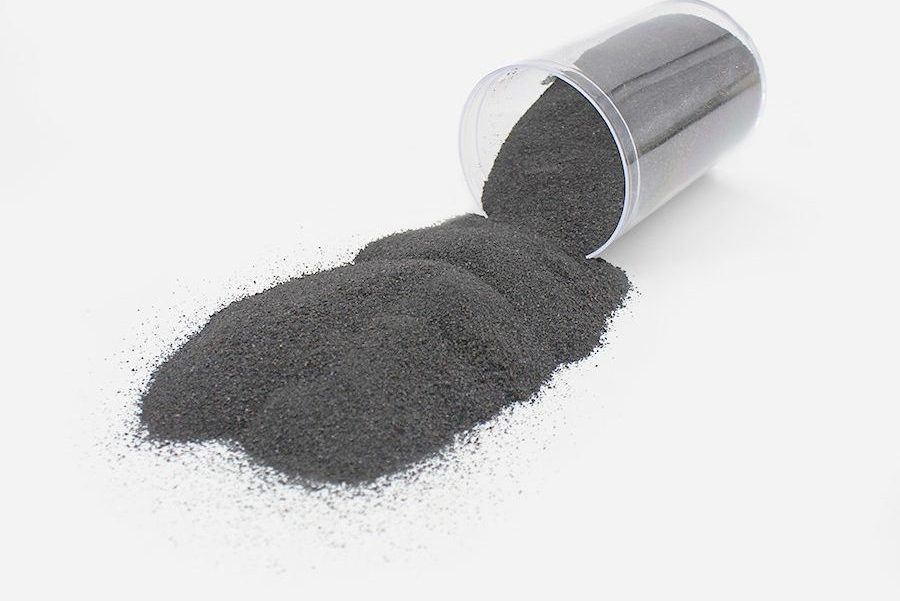
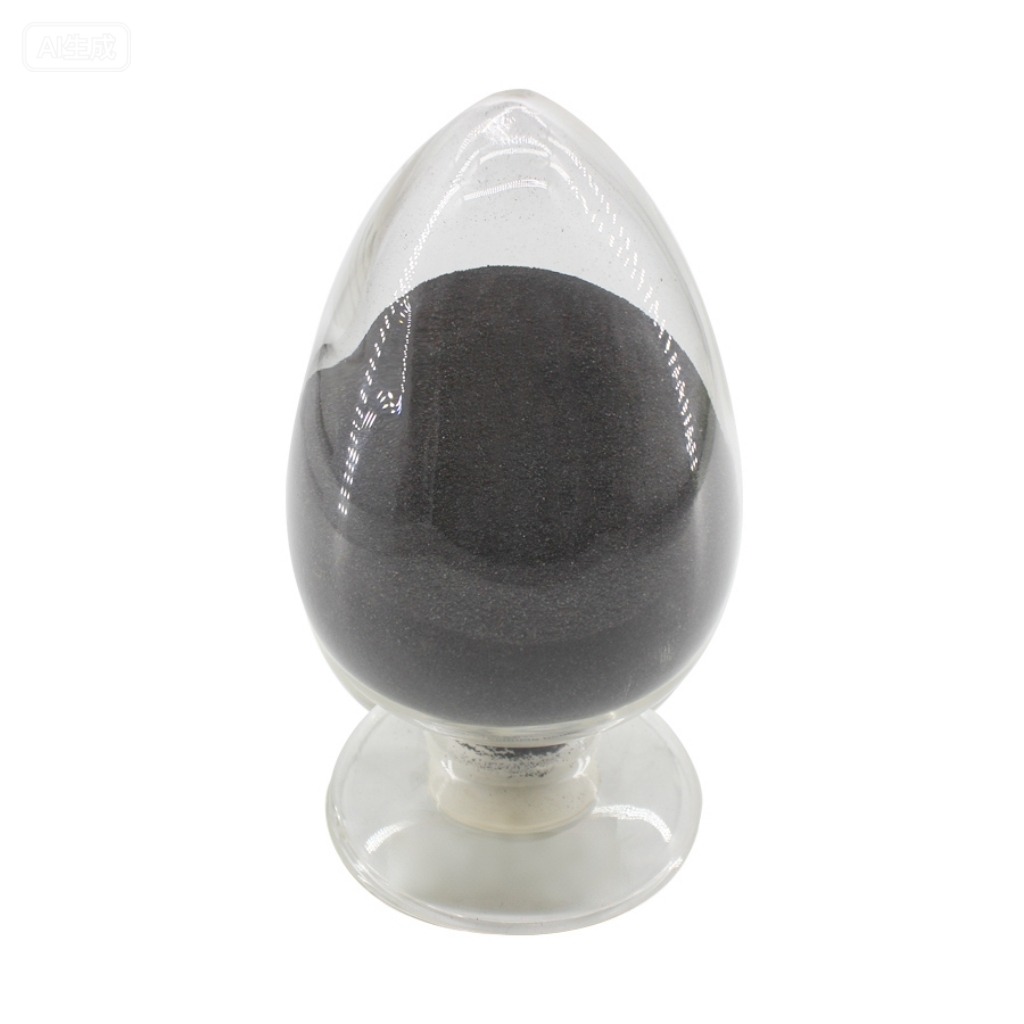
Physically, natural rutile exhibits distinct traits: it appears as reddish-brown, brownish-black, or yellowish crystals with a metallic to adamantine luster. It has a Mohs hardness of 6–6.5, making it relatively durable, and a high specific gravity of 4.2–4.3, which facilitates separation from other minerals during processing. Chemically, it is highly stable, resistant to corrosion by most acids and alkalis, and maintains its properties at high temperatures. Its high refractive index and strong dispersion also endow it with optical properties, though it is rarely used as a gemstone due to its common occurrence and dark color.
4. Key Applications Across Industries